
Some of my favourite landscape photographs weren't captured with the most expensive equipment or at famous locations. They came from understanding the light, being prepared and knowing when to press the shutter.
After years photographing Australia and overseas, I've learnt that a few simple techniques and the right accessories can make an enormous difference to your photography.
Practical Landscape Photography Advice from John Armytage
As an Australian landscape photographer and founder of the Focus Australia Landscape Photography Group, I've spent many years exploring and photographing Australia's coastlines, mountains, waterfalls and countryside, along with some remarkable destinations overseas.
These experiences have taught me that successful landscape photography is about much more than camera settings. It's about recognising opportunities, developing your creative eye and having the confidence to capture the scene in front of you.
Today, alongside fellow photographer Craig Williams, I enjoy sharing that knowledge through our small-group photography workshops, helping photographers of all experience levels improve their skills and enjoy the journey.
In this article, I'll share six essential areas of landscape photography, including the equipment I use, understanding light, useful accessories, composition, preparation and the techniques that have made the biggest difference to my own photography.
NISI FILTERS - This is what I have - Circular Polariser / 3 stop / 6 Stop / 10 Stop / 15 Stop
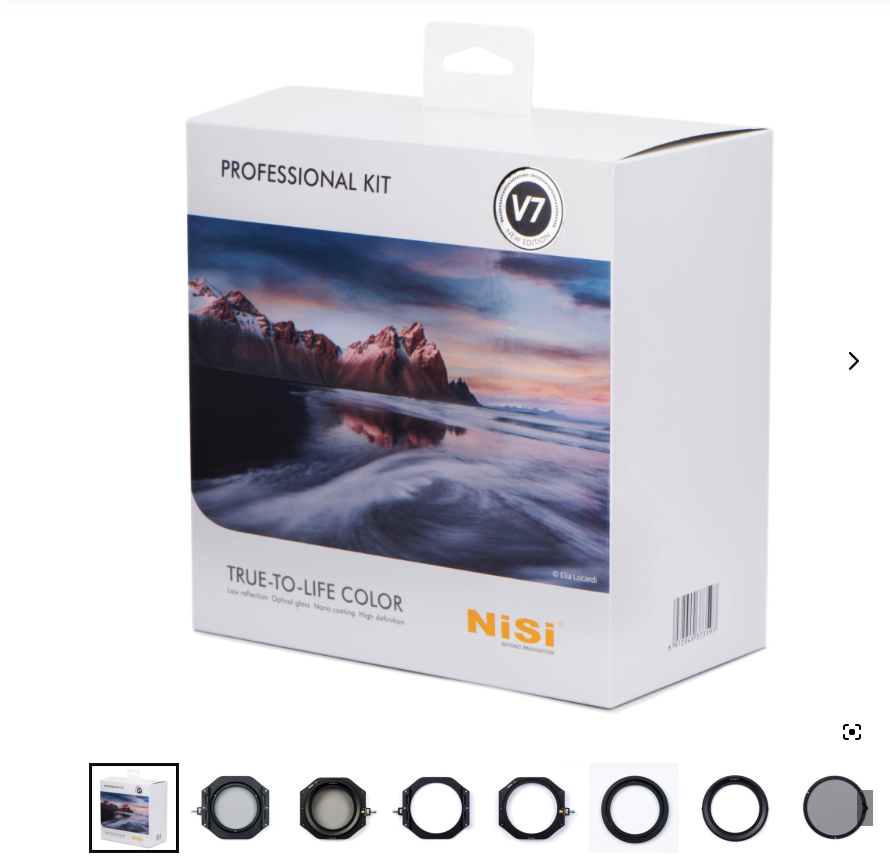
Nisi Professional Kit - Good Value Kit
Some setting using the Filter System
Situation - Suggested starting settings
Sunrise landscapes - ISO 64–100, f/8–f/11
Waterfalls - ISO 64–100, f/8, 0.5–2 sec
Seascape long exposures - ISO 64, f/8–f/11, 5–30 sec
Handheld landscapes - f/8, shutter speed appropriate to focal length
Essential Camera Gear for Landscape Photography
You don't need a bag full of expensive equipment to capture beautiful landscapes. Choosing the right gear and understanding how to use it is far more important.
My essential equipment recommendations:
Wide-angle lens (15–30mm): Ideal for expansive landscapes, dramatic skies and coastal scenes.
Standard zoom (24–70mm): A versatile lens for everyday landscape photography.
Telephoto lens (70–200mm): Excellent for isolating distant details, compressing perspective and creating more intimate landscapes.
Sturdy tripod: Essential for long exposures, low-light photography and precise compositions.
Circular polarising filter: Helps manage reflections and can enhance colours and contrast.
Neutral density filters: Allow longer shutter speeds to smooth water and capture movement.
Remote shutter release: Helps minimise camera movement during long exposures.
John's Tip: Invest in quality lenses and a reliable tripod before spending money on accessories you may rarely use. Good equipment should make photography easier, not more complicated.

Cradle Mountain, Tasmania – Capturing the first golden light across Dove Lake, where patience and timing make all the difference.
Understanding Light & Camera Settings
Light is one of the most important ingredients in landscape photography. The same location can look completely different depending on the time of day, weather and direction of the light.
My favourite techniques include:
Golden hour: Photograph around sunrise and sunset for beautiful warm tones and softer light.
Blue hour: Explore the cooler colours and gentle light before sunrise and after sunset.
Long exposures: Experiment with slower shutter speeds to create silky water, moving clouds and atmospheric scenes.
Aperture selection: Try f/8–f/11 as a starting point when you want good depth of field.
Low ISO: Use your camera's base ISO when practical for clean, detailed images.
RAW format: Capture maximum image information for greater flexibility when editing.
John's Tip: Don't pack up immediately after sunset. Some of the most beautiful colours appear once the sun has disappeared below the horizon. Patience can reward you with something extraordinary.
Small Accessories That Can Save Your Photography Day
Over the years, I've discovered that some of the most useful items in my camera bag have very little to do with photography equipment.
Here are a few favourites:
Shower cap: A simple emergency cover for your camera when unexpected rain or sea spray arrives.
Microfibre cloth: Essential for cleaning moisture and fingerprints from lenses and filters.
Head torch: Invaluable when arriving before sunrise or leaving after sunset.
Elastic bands: Useful for securing loose tripod straps and small accessories.
Waterproof bag or groundsheet: Keeps your equipment dry on wet or muddy ground.
Spare batteries and memory cards: Always carry more than you expect to need.
Compact umbrella or raincoat: Protects you when the weather changes.
Snacks, drinking water and insect repellent: Keep yourself comfortable and focused.
John's Tip: Before heading out, check your batteries, memory cards, filters and tripod. It's amazing how often one forgotten item can ruin an otherwise perfect photography opportunity.
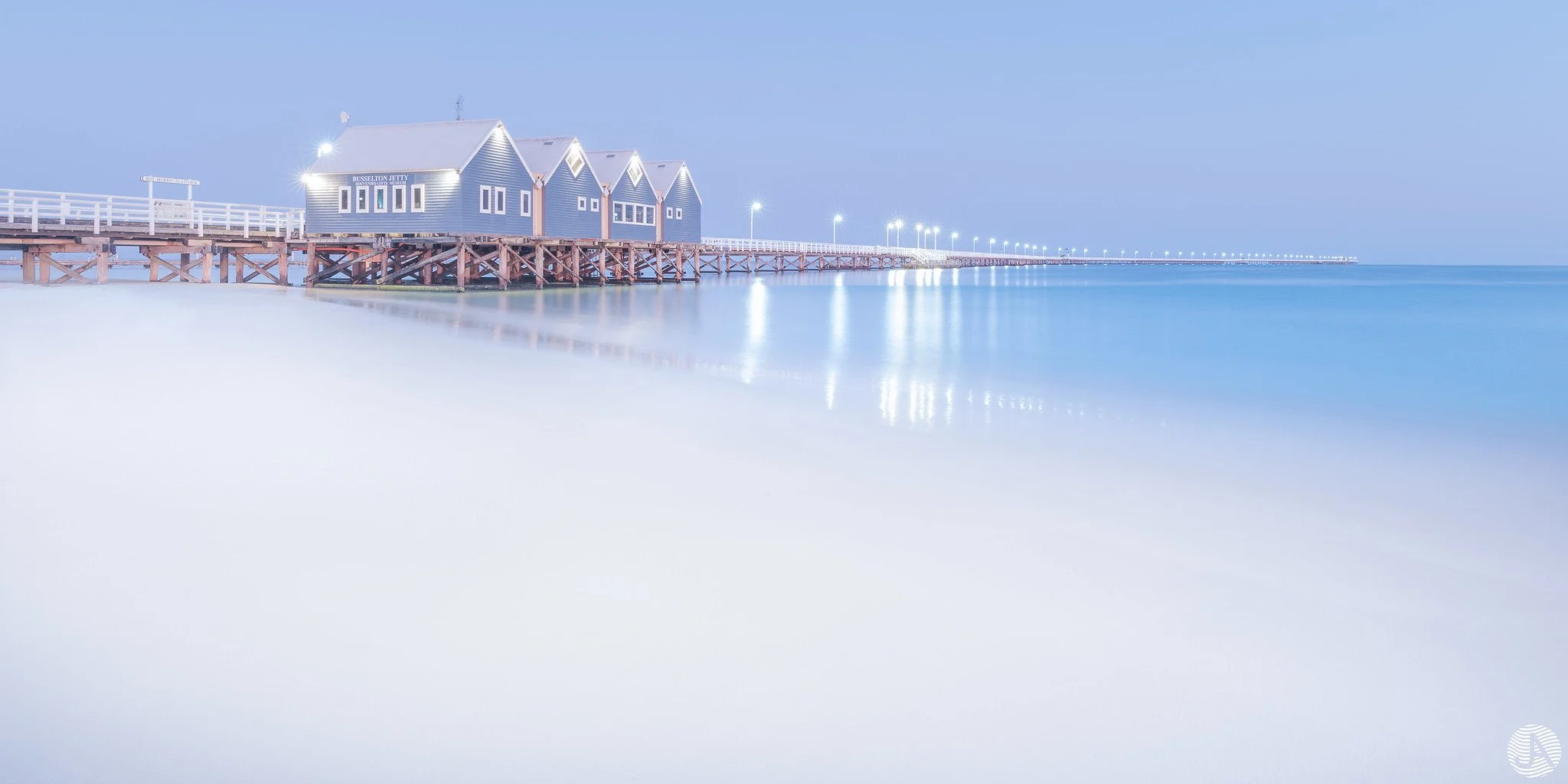
Busselton Jetty in Western Australia - using a long exposure technique
Creating Stronger Landscape Compositions
A beautiful location doesn't automatically produce a beautiful photograph. Composition is what helps transform an ordinary scene into an image that captures attention.
Here are some techniques I regularly use:
Leading lines: Use pathways, coastlines, fences or natural shapes to guide the viewer through your photograph.
Foreground interest: Include rocks, flowers, patterns or textures to create a sense of depth.
Simplify the scene: Remove distracting elements and concentrate on your main subject.
Change your perspective: Try photographing from a lower or higher position.
Watch the edges: Check for distracting branches, objects and unwanted elements before pressing the shutter.
Use your telephoto lens: Look for smaller scenes, patterns and interesting details within the wider landscape.
John's Tip: Slow down. Before setting up your tripod, walk around and study the scene. Often moving just a few metres can dramatically improve your composition.
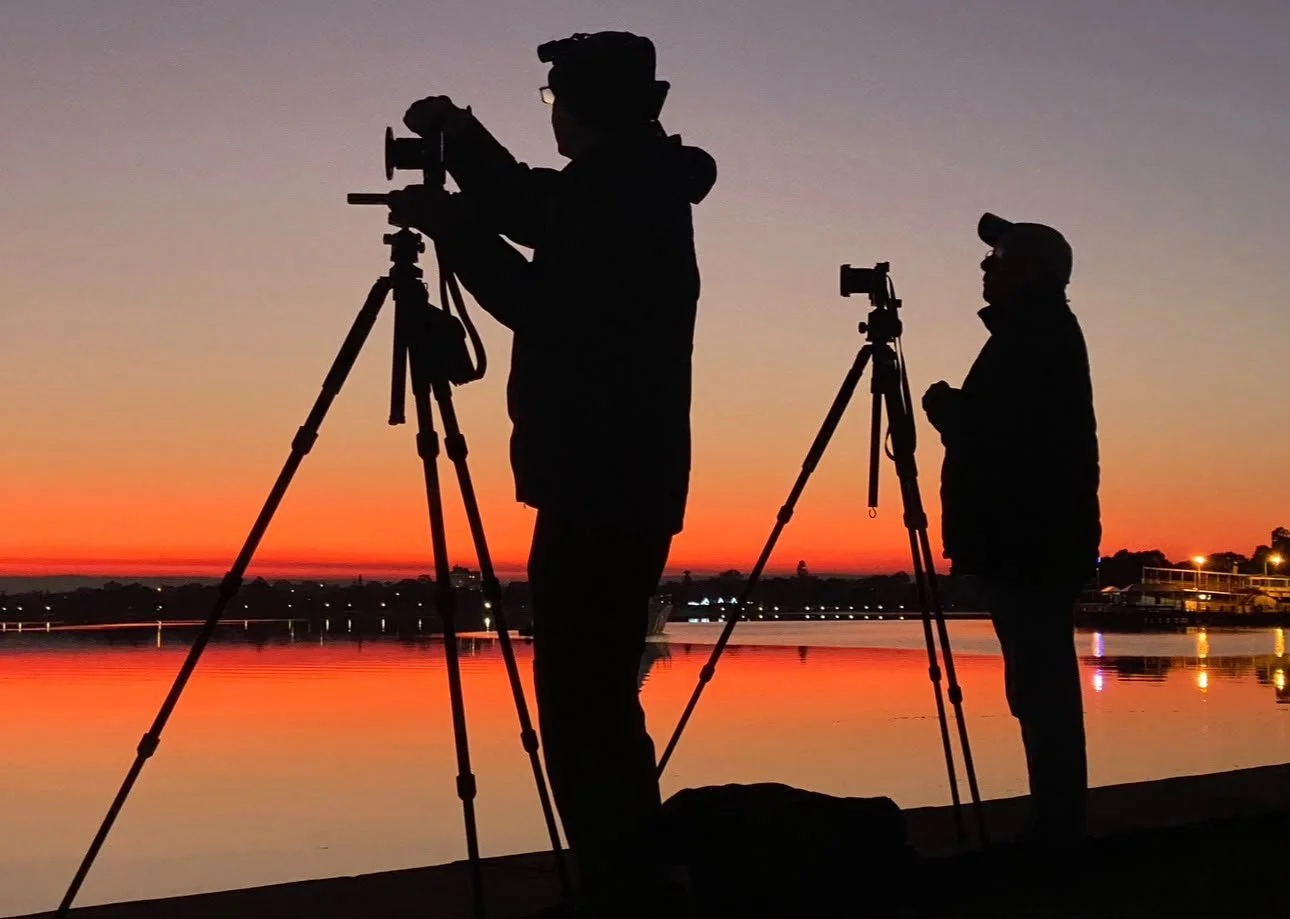
Planning & Preparation - Be ready when the light arrives
Planning Your Landscape Photography Adventure
Some of my favourite photographs have come from carefully planned outings, while others have happened when the weather produced something completely unexpected.
The key is to arrive prepared and remain flexible.
Before heading out, I recommend:
Researching your location: Look at access points, parking, terrain and potential compositions.
Checking sunrise and sunset times: Allow plenty of time to arrive and explore.
Monitoring weather conditions: Clouds, mist and approaching weather changes can create extraordinary light.
Checking tides and swell: Particularly important when photographing beaches, rock platforms and coastal locations.
Preparing your equipment: Charge batteries, format cards after backing up images and clean your lenses.
Putting safety first: Avoid dangerous surf, unstable rocks and exposed locations in severe weather.
John's Tip: Never assume poor weather means poor photography. Some of my most memorable images have been captured when the conditions looked far from promising. Just make sure it's safe to be there.
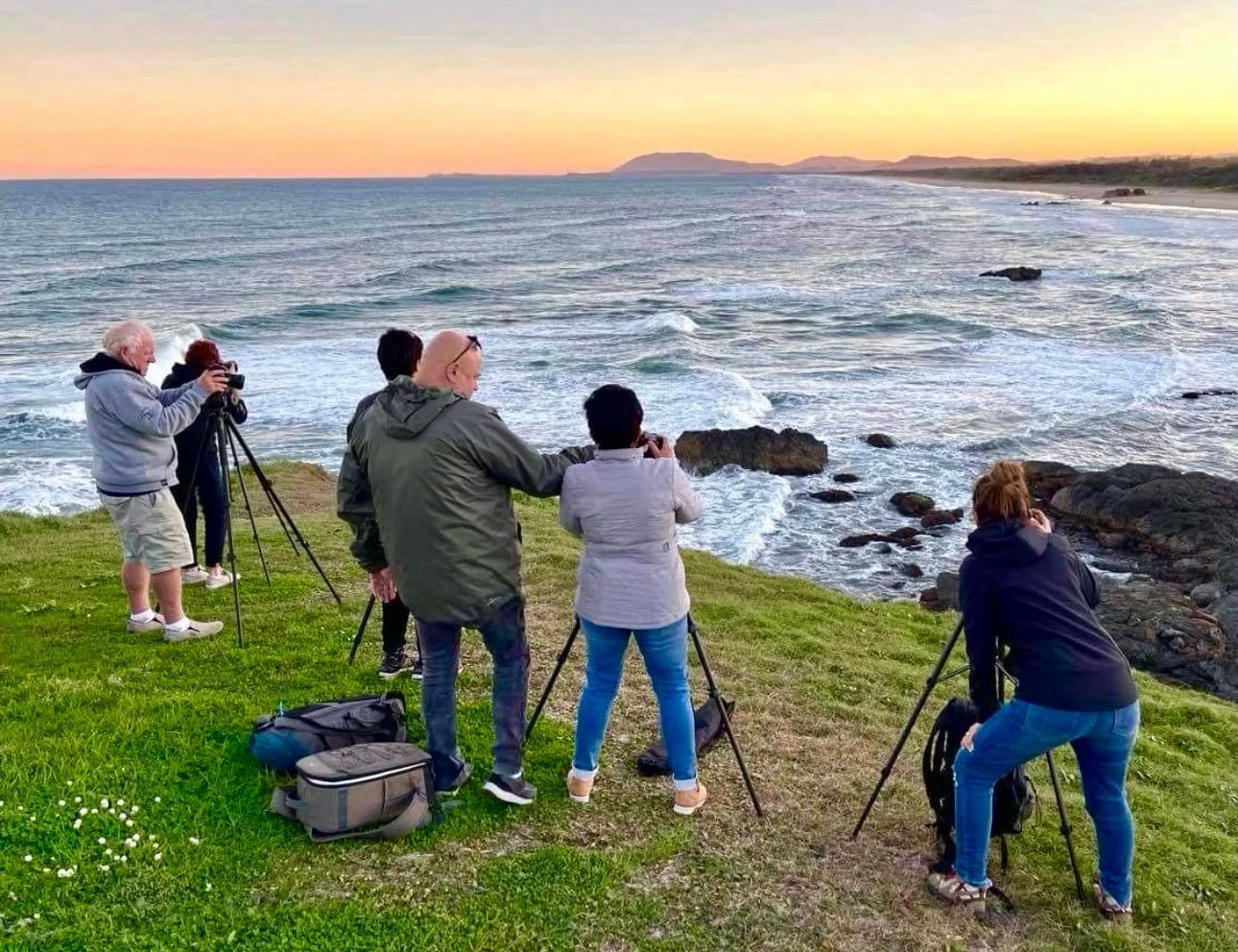
Learning in the field - Building skills and confidence
Becoming a More Confident Landscape Photographer
One of the most rewarding things about landscape photography is that there's always something new to learn.
Even after years behind the camera, I still discover new techniques, compositions and creative possibilities.
My advice for improving your photography:
Photograph regularly: Familiarity with your camera builds confidence.
Experiment with settings: Understand how aperture, shutter speed and ISO affect your images.
Review your photographs: Look at what worked and what you could improve next time.
Learn basic editing: Develop your RAW processing skills while maintaining a natural look.
Be patient: Sometimes waiting for the right light is more important than taking another photograph.
Enjoy the experience: Photography should be rewarding, creative and enjoyable.
John's Tip: Don't measure your progress against other photographers. Concentrate on developing your own style and enjoying the journey. Your best photograph may still be ahead of you.
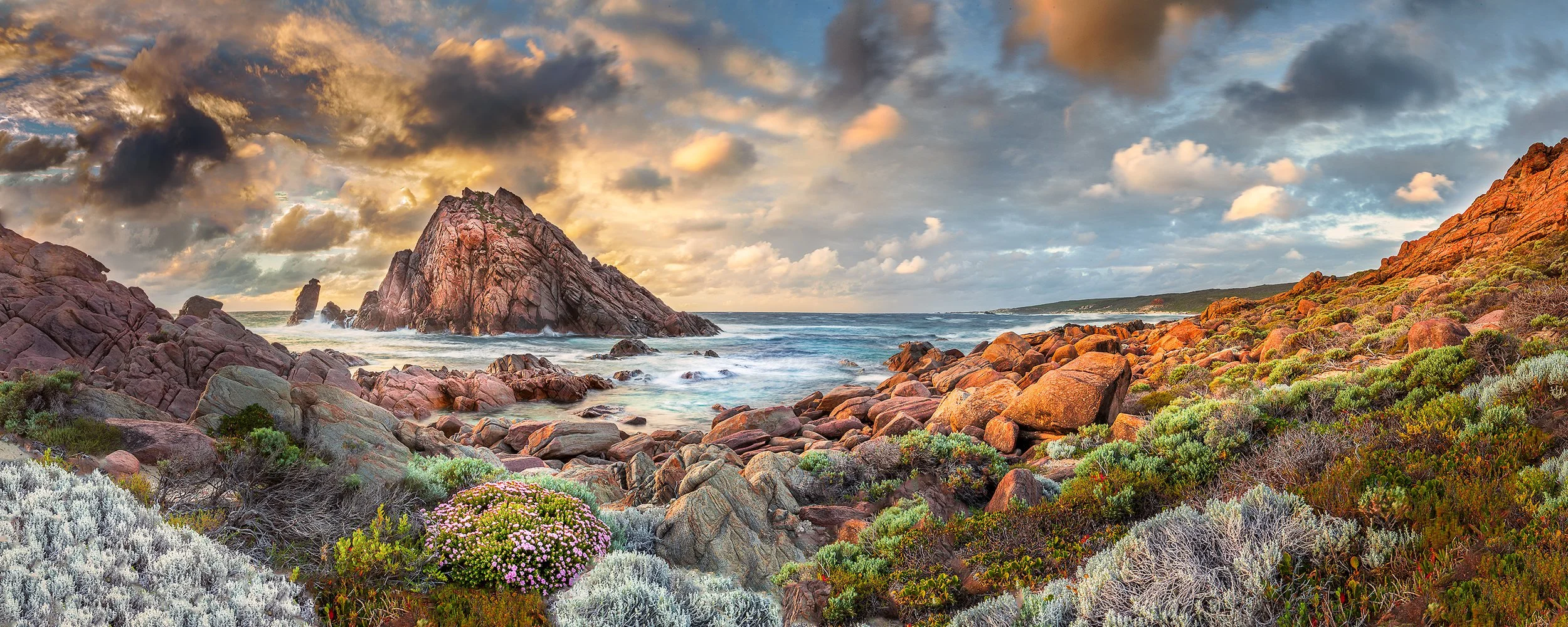
Sugarloaf Rock in Western Australia - When all the elements come together
Take Your Landscape Photography Further
Learn, Explore & Create With John Armytage Photography
There's something special about being out in the landscape with your camera, watching the light change and capturing a moment that may never be repeated.
At John Armytage Photography, Craig Williams and I host small-group landscape photography workshops throughout Australia, New Zealand, Norfolk Island & Various other places, sharing our experience and helping photographers develop their skills in beautiful locations.
Our philosophy is simple: Your photography comes first.
Our workshops are designed around your learning, your experience and your photographic goals. We're there to guide you, help you get the most from your camera and make sure you have every opportunity to capture images you'll be proud of.
With small groups, personalised guidance, comfortable accommodation and a relaxed atmosphere, our workshops are about much more than taking photographs.
They're about learning, exploring, building friendships and enjoying the journey.
Our Priority is You!
Explore Our Upcoming Landscape Photography Workshops
John Armytage & Craig Williams
John Armytage Photography